History of Place: Exhibition and Collaborative Toolkits
These are toolkits from the The History of Place project by Accentuate on collaborative events, research, projects and exhibitions. Link to these […]
These are toolkits from the The History of Place project by Accentuate on collaborative events, research, projects and exhibitions. Link to these […]

This toolkit is developed by South East Museum Development Programme in support of Arts Council England. It contains practical advice and case […]

Feeling the Future: Access to Arts and Culture for People with Visual Impairments tells how Eureka! has developed a series of sculpture […]

Signly is an app which displays pre-recorded sign language videos on a user’s mobile, enabling better access to written content for d/Deaf […]

In future, museums will mainly be places of human encounters. Lingusio is more than just an audio guide. Inclusively created content and […]
Guidelines issued by Government https://www.gov.uk/government/publications/inclusive-communication/accessible-communication-formats UK Association for Accessible Formats https://www.ukaaf.org/large-print/ RNIB Clear Print Guidelines http://www.psncorp.com/Downloads/RNIB_Clear_Print_Guidelines.pdf British Dyslexia Association Style Guide for […]
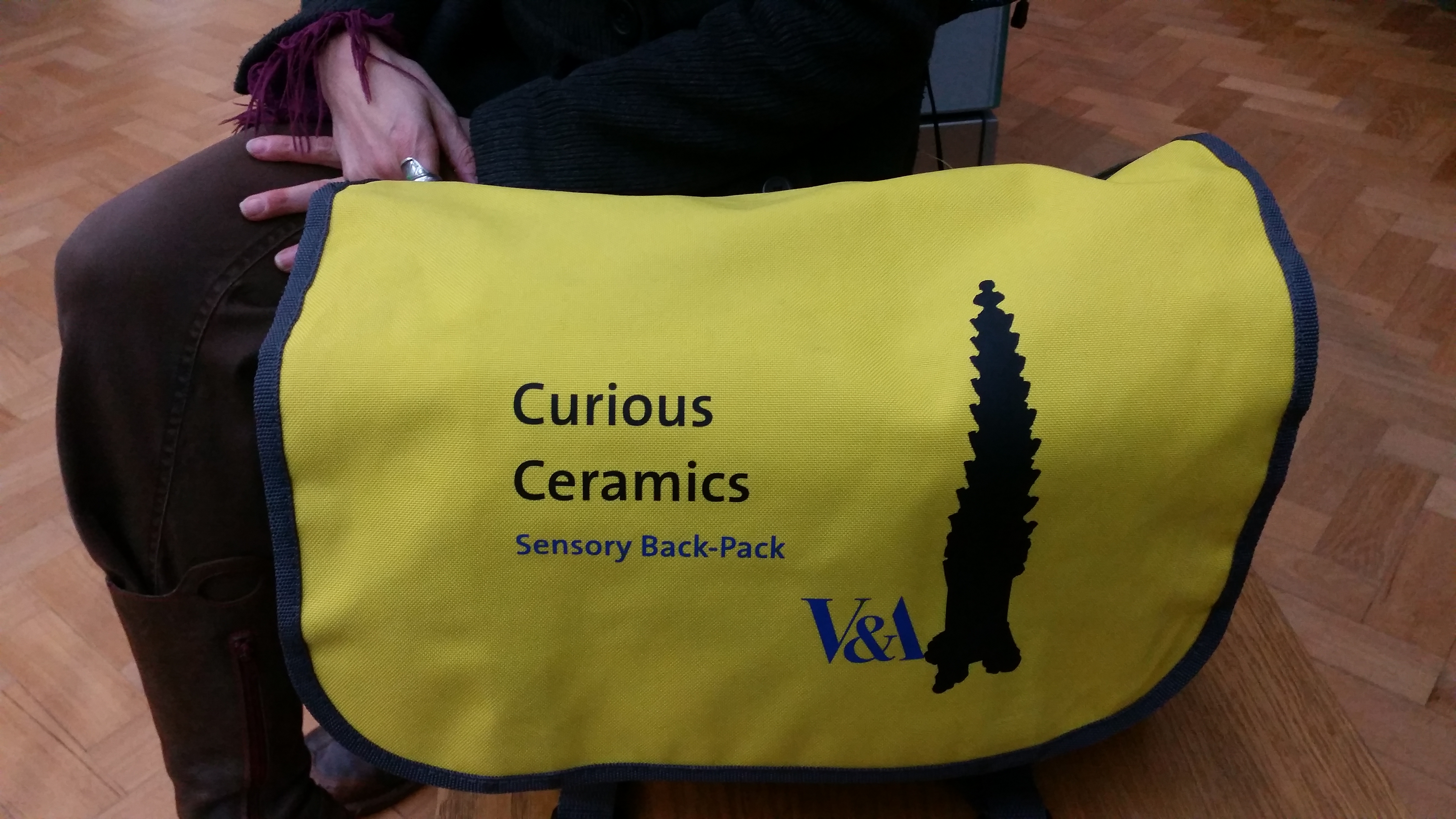
Launched in August 2015, the Curious Ceramics backpack is the V&A’s first backpack aimed at children with visual impairments. The V&A offer […]

Have you ever stroked a fox, heard a polecat chatter, smelt otter dung or seen a stoat in ermine? Now you can […]

Founded in 1889 as the first English gallery in a park, the Whitworth has been transformed by a £15 million development. This is a gallery whose visitor numbers have climbed spectacularly in the past five years, whose contemporary exhibitions programmes have given new life to international collections, and whose risk-taking curatorial team has gained global attention.

To create a series of multisensory interactive art works that respond to museum collections, to generate alternative ideas for museum interpretation, developed through art and electronics-based workshops by people with learning disabilities in collaboration with an interdisciplinary research team.